
Reviewed and updated: November 13, 2026
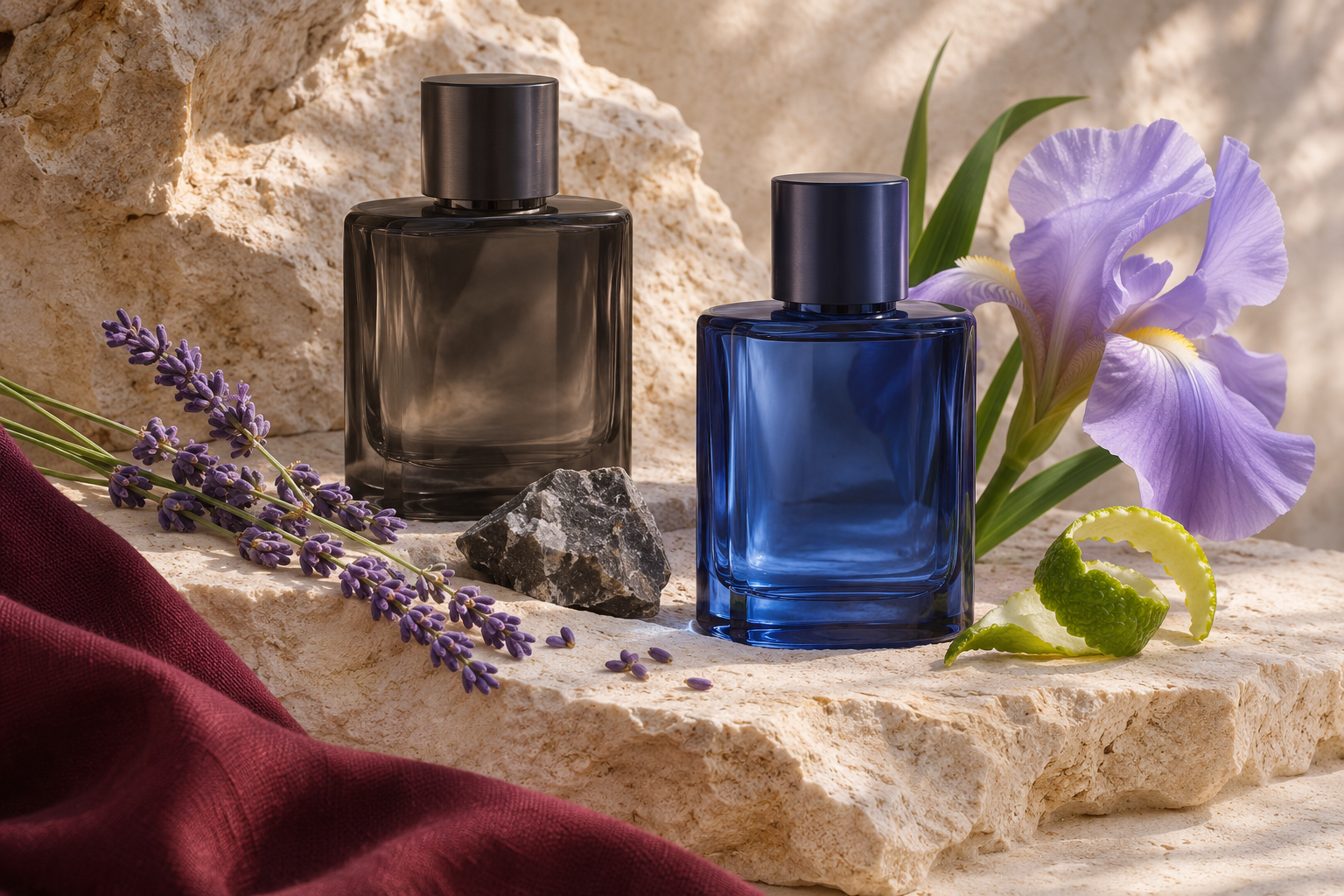
Two fresh Prada colognes, two rather different invitations. Luna Rossa Carbon Eau de Toilette would be our pick for a love of lavender with a mineral, woody edge. Ocean Eau de Toilette is the more intriguing direction when bergamot and iris make your ears prick up. Both belong on a fresh-fragrance shortlist, but the pleasure is in their differences: Carbon’s lavender-and-ambroxan theme versus Ocean’s citrus, floral heart and vetiver.
You don’t need to choose by the darker bottle, the bluer bottle or which name sounds more adventurous. Think about the part of a fragrance you most enjoy returning to. Here is how we’d decide between these two eaux de toilette, and where the rest of the Luna Rossa family can complicate an otherwise lovely choice.
Carbon gives lavender a mineral setting
Lavender is the thread to follow in Carbon. Bergamot, patchouli and ambroxan give it citrus, woody and dry amber elements, while geranium adds a green floral aspect. That combination makes it an appealing place to start when you enjoy aromatic freshness but want something beyond a straightforward lemon-and-herbs idea. The mineral direction is part of its character, rather than a promise that it smells like a particular rock.
We’d put Carbon first when lavender is already a favourite in your collection. You might enjoy its aromatic side and be curious about the contrast with ambroxan’s amber character. That is a more personal reason to choose it than expecting a fragrance to make you seem sporty or sophisticated. You get to enjoy the notes that interest you without adopting the lifestyle suggested by the advertising.
The compromise is that mineral and amber themes aren’t everyone’s idea of freshness. A love of lavender doesn’t necessarily mean you’ll love every setting around it. If what you really want is a citrus opening that leads into iris, Ocean is the more relevant comparison. Carbon earns its place when its own aromatic, mineral-woody direction is the attraction, rather than when you’re hoping it will turn into Ocean.
Lavender, bergamot, geranium, patchouli and ambroxan give Carbon its aromatic, mineral-woody direction.
Prada Luna Rossa Carbon Eau de Toilette 100 ml
An aromatic, mineral-woody option when you enjoy lavender with a darker woody backdrop.
Ocean brings iris into the fresh-fragrance conversation
Ocean Eau de Toilette pairs bergamot, pink pepper and artemisia at the top with iris, lavender and a saffron accord in the heart. Vetiver, musks and patchouli form its base. The citrus is an invitation, but iris gives you a reason to stay curious after that first hello. We’d start here when a floral element in a fresh cologne sounds more appealing than Carbon’s mineral emphasis.
That doesn’t make Ocean a simple seaside scent. Its name and blue bottle might suggest a holiday by the water, yet the composition also explores suede and saffron alongside iris. Those details matter if you’re looking for something with more going on than an aquatic theme alone. You can enjoy the fresh direction while being interested in the floral and textured side of the fragrance too.
Ocean is therefore worth a closer look if you like the idea of citrus meeting iris and woods. It is less obvious as a choice when you want lavender to be the main reason for buying, or when floral and suede-like themes rarely appeal to you. The extra interests are the point, not small print to overlook. Carbon offers a different route through aromatic freshness, with fewer reasons to focus on iris.
Bergamot leads toward iris, lavender and saffron, with vetiver, musks and patchouli beneath the fresh direction.
Prada Luna Rossa Ocean Eau de Toilette 100 ml
A fresh aromatic option when citrus, lavender and a woody finish sound inviting.
Picture the place it would take on your shelf
A useful way to separate them is to think about the fragrance you’d like to reach for tomorrow. For a lavender lover, Carbon could continue a thread you already enjoy while introducing a mineral-amber setting. For someone whose fresh fragrances are mostly citrus-led, Ocean offers the possibility of exploring iris without abandoning that citrus starting point. Neither choice needs to be a complete reinvention of your taste.
Your existing bottles can make the decision easier. Several lavender-centred fragrances might leave more room for Ocean’s iris direction; a collection already full of iris may make Carbon the more interesting change. Our advice on building a small fragrance wardrobe starts with that same idea: a bottle is useful when it gives you something you actually want to wear, rather than merely completing a brand family.
Occasion can help you imagine the choice, but it doesn’t have to become a rule. A fresh cologne can accompany an evening out, and you don’t need warm weather to enjoy bergamot. Think about your normal days, the people sharing your space and the scent you enjoy having around you. Begin lightly in close company and respect scent-free settings. The best everyday choice is one that fits your life as comfortably as your taste.
Keep the eau de toilette in the picture
Luna Rossa is a family name, and Carbon Eau de Toilette is distinct from Carbon Eau de Parfum. The latter follows a lavender, licorice and cypress direction. That is a meaningful change of composition, not simply the same perfume turned up a notch. If mineral lavender brought you to Carbon, the eau de toilette is the version discussed here; a gourmand licorice idea is a separate decision.
Ocean also has other concentrations in its range. The iris-and-bergamot comparison here concerns Ocean Eau de Toilette, rather than its eau de parfum or parfum relatives. Our concentration guide explains why those names don’t guarantee a fixed strength or number of wearing hours. Two eaux de toilette can differ in character and performance, and a concentration label won’t tell you which you’ll enjoy more.
Let your enthusiasm choose the bottle size
The recommendations here are for the 100 ml eau de toilette bottles, so you’re comparing the same stated volume. That amount makes the most sense once a fragrance has earned regular wear. A cologne you reach for most mornings is a different purchase from an interesting new direction you may wear occasionally. There is no need to buy a large bottle just because you’re excited about discovering a new name.
For a gift, knowing the exact fragrance someone already enjoys is especially helpful. A fondness for Prada, blue bottles or lavender is a starting point, but not the same thing as loving one particular composition. A chance to try it together can be part of the fun. For your own collection, give the favourite some time on skin, following its directions, before deciding how much room to make for it.
Our pick between Carbon and Ocean
Carbon Eau de Toilette gets our vote for lavender with mineral, woody and amber character. Ocean Eau de Toilette is the one we’d explore for bergamot leading toward iris, suede-like detail and vetiver. Let the part that makes you curious lead the choice, then enjoy the whole perfume rather than chasing a single note. Keep alcohol-based fragrance away from flames and check ingredients for known sensitivities. Beyond those practical details, choose the one you’re happiest to invite into your day.